Recent Articles
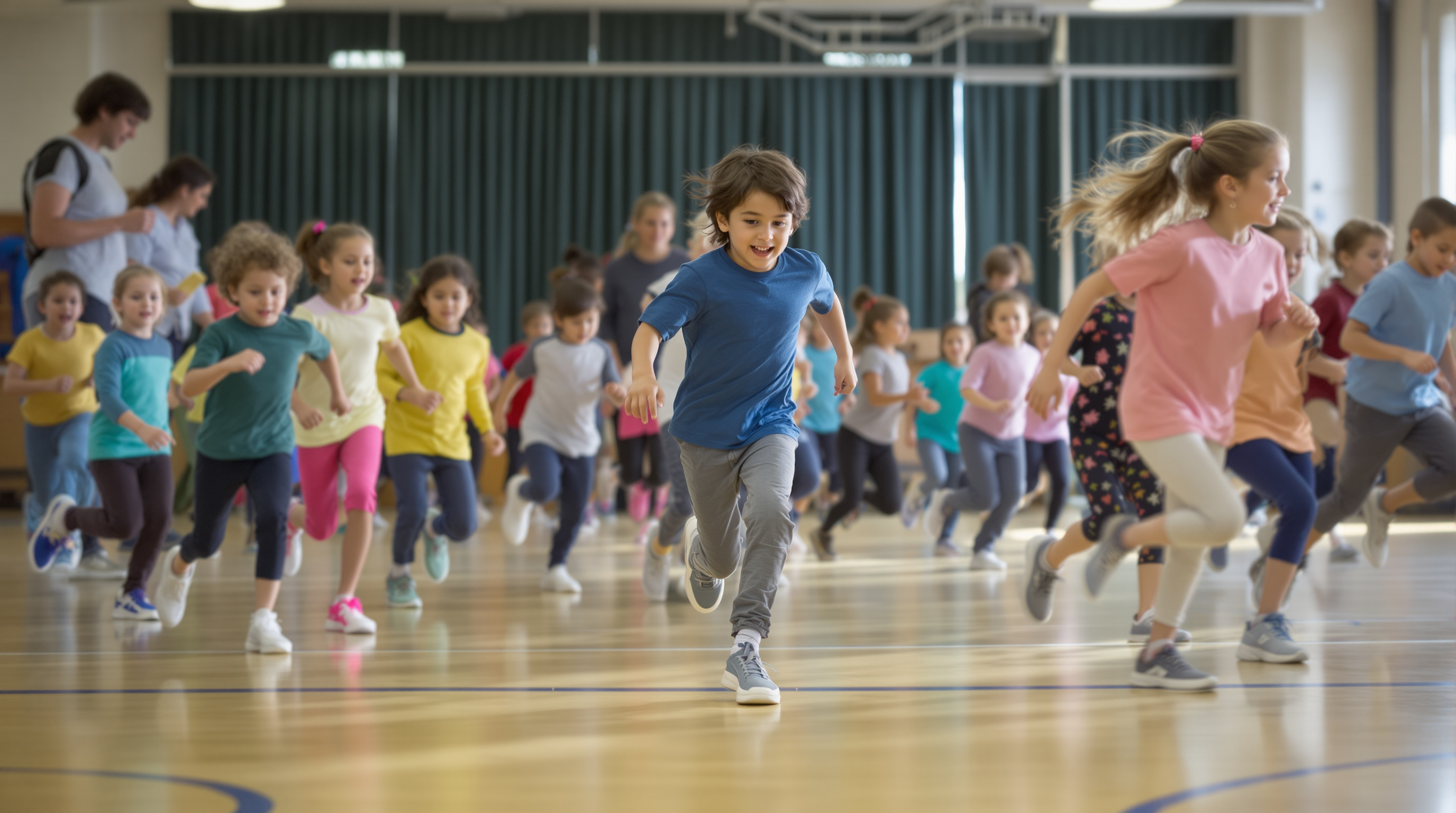
Improving Aerobic Fitness in Obese Children: Which Program Works Best?
A meta-analysis of 9 studies evaluates programs targeting aerobic fitness in obese children. Programs lasting more than 12 weeks with 3 sessions per week of 60+ minutes produce the best outcomes. What this means for PE program design.
Read Article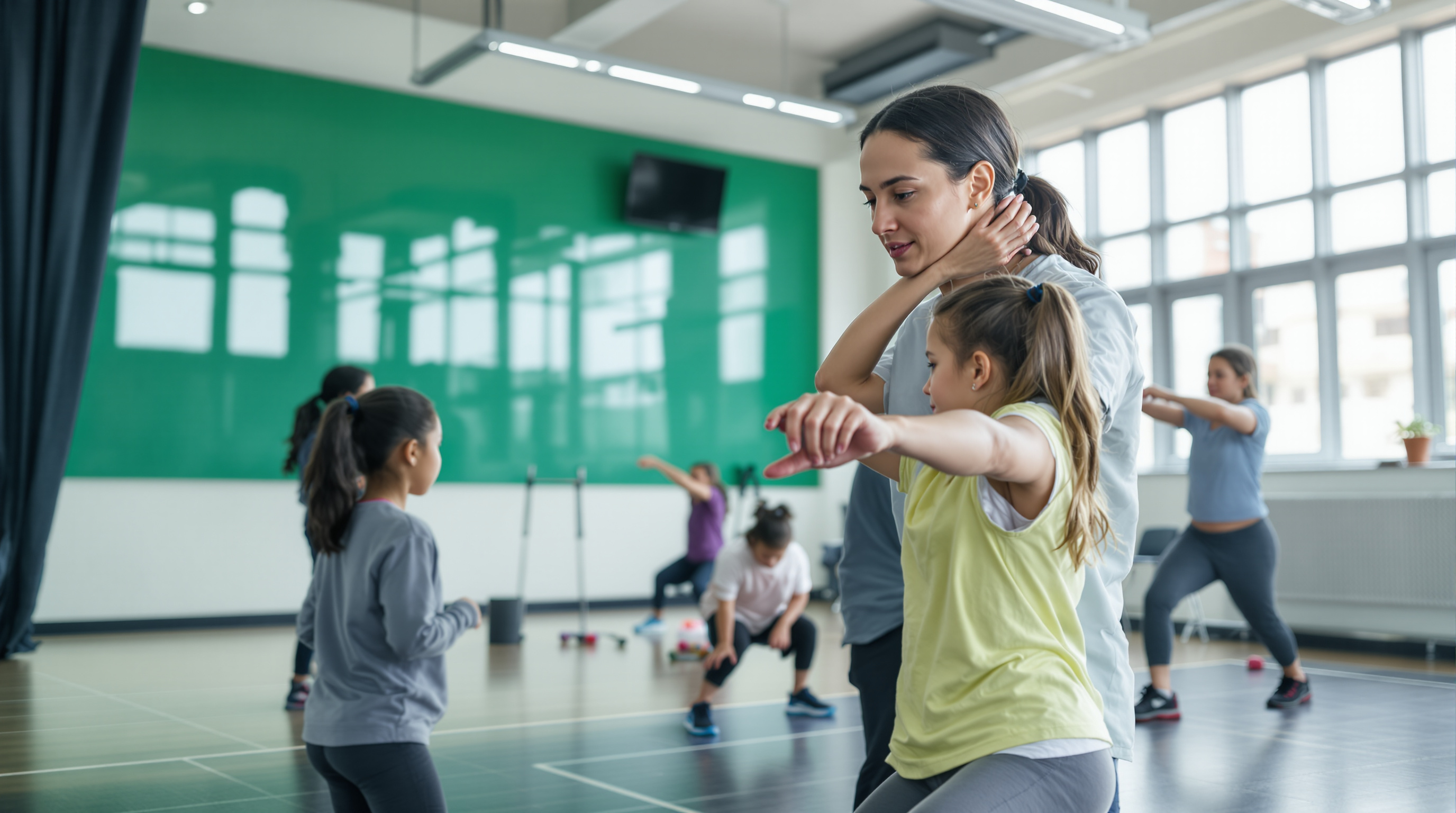
Maximize Student Safety During Aerobic Capacity Assessment
Maximal cardiovascular tests require students to run at maximum effort — which can be contraindicated for students with cardiovascular risk factors. Learn how to screen students, modify protocols, and prepare for emergencies.
Read ArticleEquations to Calculate VO2max from Total PACER Laps
Peer-reviewed equations for converting progressive shuttle run results to estimated VO2max values — with and without BMI. Step-by-step application guide for physical education teachers, plus how FitStats automates this calculation.
Read ArticleBMI Reporting Has Bad Press — Is This Justified?
BMI-based school fitness reporting faces significant criticism. This article examines the evidence: accuracy limitations, parental notification effectiveness, harm potential, and whether schools should redirect resources to more proven program approaches.
Read Article